A Visionary's Gift to the Nation
Joseph Mallord William Turner bequeathed his entire artistic collection to the British nation upon his death in 1851. The bequest comprised more than 550 oil paintings, approximately 2,000 watercolours, and some 30,000 works on paper, forming one of the most significant artistic donations in British history.
Tate Britain: From Prison Site to Cultural Landmark
Tate Britain stands on Millbank in the City of Westminster, occupying the former site of Millbank Prison. The gallery opened on 21 July 1897 as the National Gallery of British Art, founded through the philanthropy of Sir Henry Tate, a Liverpool sugar magnate whose initial bequest of 65 paintings had been declined by the National Gallery due to lack of space.
The gallery became commonly known as the Tate Gallery from its inception and officially adopted this name in 1932. It was renamed Tate Britain in March 2000, when its modern collections moved to Tate Modern on Bankside.
The Turner Collection: A Treasury of British Art
Tate Britain now holds 31,669 artworks by J.M.W. Turner, constituting the world's most comprehensive collection of the artist's work. This vast holding includes oil paintings, watercolours, drawings, and sketchbooks spanning his entire career.
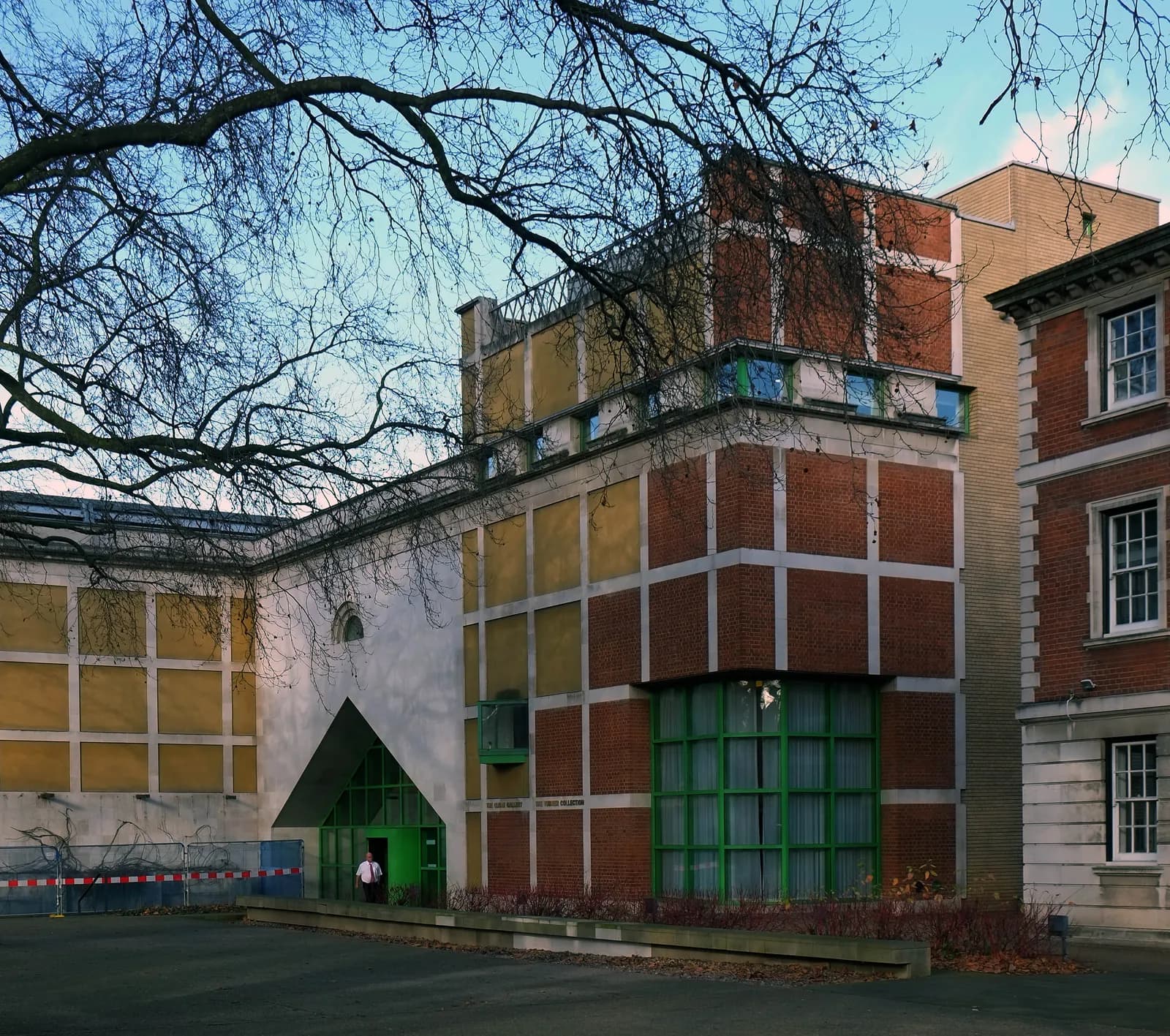
Seven new rooms were added to the original Millbank building in 1910 specifically to display the Turner Bequest, funded in part by contributions from the Duveen family. In 1987, the Clore Gallery opened within Tate Britain, designed by architect James Stirling to house the Turner collection. The £6 million required for its construction came from Charles Clore and his daughter Vivien Duffield, with an additional £1.8 million contributed by the British government.
Turner's Westminster Connections
Turner's life was intimately connected to Westminster. Born on 23 April 1775 in Maiden Lane, Covent Garden, he spent his early years in London's artistic quarter. His father worked as a barber and wig maker in the area, and young Turner showed early promise, enrolling at the Royal Academy aged just 14.
In 1834, Turner witnessed the burning of the Houses of Parliament from the south bank of the Thames. The catastrophic fire, which destroyed much of the medieval palace, prompted Turner to create a series of watercolour sketches capturing the dramatic scene.
Turner died on 19 December 1851 at the age of 76. His burial took place at St Paul's Cathedral, near the tomb of Sir Joshua Reynolds, the first president of the Royal Academy and an artist Turner greatly admired. His interment at St Paul's affirmed his status as one of Britain's most significant painters.
Sandycombe Lodge: An Artist's Retreat
Though his life centred on Westminster, Turner sought respite from the capital's bustle at Sandycombe Lodge, a small villa he built in Twickenham in 1813. He designed the house himself, with architectural guidance from his friend Sir John Soane, the renowned architect of the Bank of England.
The property served as a retreat where Turner would walk and sketch along the Thames, fish, and entertain friends away from the demands of the London art world. Today the house operates as Turner's House, a museum preserving this intimate glimpse into the artist's private life.
Guardians of the National Collection
Tate Britain has evolved into the national gallery of British art from 1500 to the present day, holding what curators describe as the most comprehensive collection of its kind globally. The gallery underwent a £45 million renovation completed in 2013, which included nine new galleries and the reopening of the Thames-facing entrance.
Since 1957, Tate Members have contributed to the acquisition of nearly 400 masterpieces for the gallery. This ongoing commitment to expanding the collection ensures that Tate Britain continues its role as custodian of Britain's artistic heritage, a mission that began with Turner's visionary bequest more than 170 years ago.